Advertisement · Sponsored Educational Content
The Jar of Honey Sitting in Grandma Elena's Kitchen Cabinet Sparked a Closer Look at Everyday Memory Habits After 50
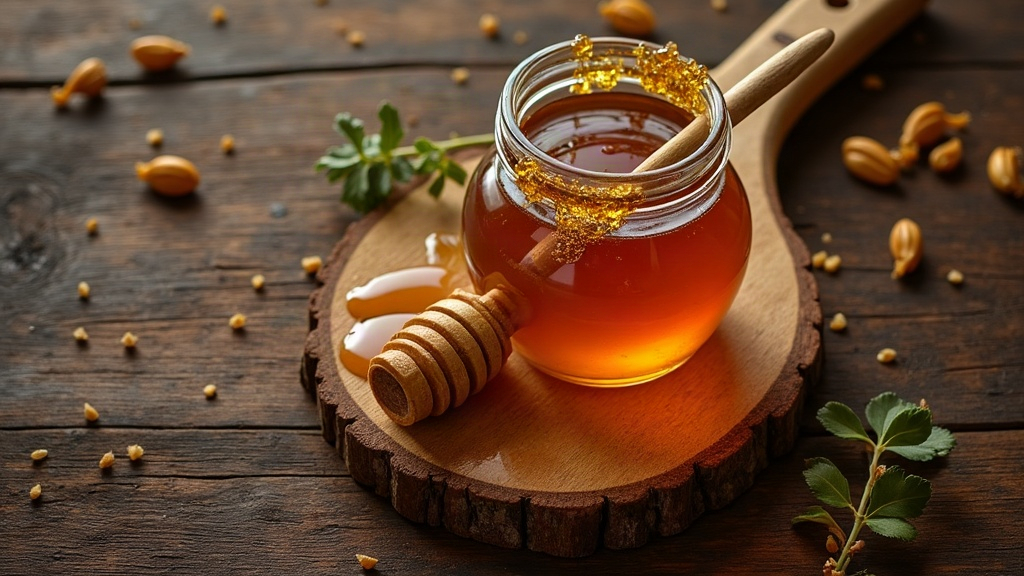
Every morning at 7 sharp, Elena stirs a spoonful of honey into her tea before opening the newspaper — a quiet ritual that got us curious about how simple everyday habits intersect with cognitive wellness after 50.
Why Memory Shifts After 50
Cognitive changes with age are shaped by many overlapping factors. Here are four commonly discussed contributors that researchers and clinicians often point to.
Sleep Architecture Changes
Deep sleep stages tend to shorten with age, which many experts note plays a role in how the brain consolidates information overnight.
Everyday Stress Accumulation
Chronic low-grade stress from daily responsibilities can build up over decades, something often discussed in relation to focus and mental clarity.
Nutrient Absorption Shifts
The body's ability to absorb certain nutrients from food can change with age, a topic frequently raised in general wellness conversations.
Reduced Movement Patterns
Less frequent physical activity is commonly mentioned alongside broader discussions of healthy aging and daily routines.
Myths vs. Facts About Memory and Aging
Separating common assumptions from a more grounded perspective.
Memory decline is inevitable and identical for everyone after 50.
Individual trajectories vary widely and depend on many everyday lifestyle factors, not a single fixed timeline.
Natural ingredients like honey have no relevance to daily wellness routines.
Many traditional diets have long incorporated natural ingredients like honey as part of broader eating patterns, though this reflects cultural tradition rather than a proven cognitive outcome.
If you don’t do puzzles every day, your brain health is doomed.
Mental engagement takes many forms — conversation, reading, hobbies, learning something new — not just structured puzzles.
A Simple Way to Think About Daily Habits
No single method fits everyone, but many people find it helpful to approach change in small, observable steps.
Notice Daily Patterns
Start by paying attention to routines already in place — sleep timing, meals, moments of mental fatigue — without judgment.
Simplify One Habit at a Time
Rather than overhauling an entire routine, many people focus on adjusting a single habit and observing how it feels over a few weeks.
Build Consistency Gently
Small, repeatable actions tend to be easier to sustain long-term than dramatic, short-lived changes.
Where the Curiosity About Honey Began
Honey has held a place in kitchens and traditional practices across many cultures for centuries, often passed down through generations as part of everyday rituals rather than formal medicine. In more recent years, general interest in how traditional ingredients fit into modern daily routines has grown, particularly among adults thinking about long-term wellness habits. This section looks at that historical thread — not as a solution, but as a cultural observation worth understanding in context.
This is a historical and cultural observation, not a scientific claim about memory support or cognitive outcomes.
Everyday Signs Worth Paying Attention To
Misplacing Everyday Items More Often
Keys, glasses, or phones ending up in unusual places more frequently than before.
Losing Track Mid-Conversation
Momentarily forgetting what was being said or where a thought was headed during a chat.
Difficulty Recalling Recent Names
Names of people met recently taking longer to come to mind than they used to.
Trouble Following Multi-Step Tasks
Recipes, instructions, or errands with several steps feeling harder to keep organized.
Increased Reliance on Reminders
Sticky notes, phone alarms, or calendar alerts becoming a daily necessity rather than an occasional aid.
Feeling Mentally Foggy by Afternoon
A noticeable dip in mental sharpness or focus later in the day compared to mornings.
What People Have Shared

These testimonials reflect individual opinions and experiences. Results and perspectives vary from person to person, and these statements are not a guarantee of any outcome.
Frequently Asked Questions
No. This content is educational and explores general lifestyle topics related to aging. It does not diagnose, treat, cure, or prevent any condition.
No. Honey is discussed as part of a historical and cultural conversation, not as a treatment or guaranteed solution.
Adults 50 and older who are curious about everyday habits and general wellness topics related to aging.
No, the video itself is free to watch. Any related offer, if present, is entirely optional.
This is general educational content and should not replace advice from a qualified healthcare professional.
It’s a short, focused watch designed to respect your time while covering the topic clearly.
Yes, many viewers find it helpful to watch alongside a spouse or family member and discuss it together.
Curious What the Full Video Covers?
Take a few minutes to watch the complete video and explore how everyday habits, tradition, and daily routines intersect for adults thinking about wellness after 50.
Advertising Disclosure: This page contains sponsored content and may include affiliate links. We may receive compensation if you click through or make a purchase from links on this page. This does not affect the price you pay.
Content Disclaimer: The information provided on this page is for educational purposes only and has not been evaluated by the Food and Drug Administration. It is not intended to diagnose, treat, cure, or prevent any disease. Always consult a qualified healthcare professional before making changes to your health routine.
Results Disclaimer: Individual results vary. Testimonials and personal accounts shared on this page reflect individual experiences and are not a guarantee of any specific outcome.
© 2026 · All Rights Reserved · Contact